Fuel cards, read line by line
Upload each depot's Ampol Card export as it comes. Every transaction is kept with its card and vehicle, and non-fuel lines like AdBlue are left out. BP Plus and Shell Card are coming soon.
Most of a transport operator's emissions are diesel, spread over hundreds of card transactions a month. Upload each depot's fuel card export and Emitt reads every transaction into that depot's records, with the card and vehicle kept on each one.
Your customers first. Under the GHG Protocol, freight a shipper pays you to move is part of the shipper's Scope 3, so shippers ask their carriers for the emissions behind it.
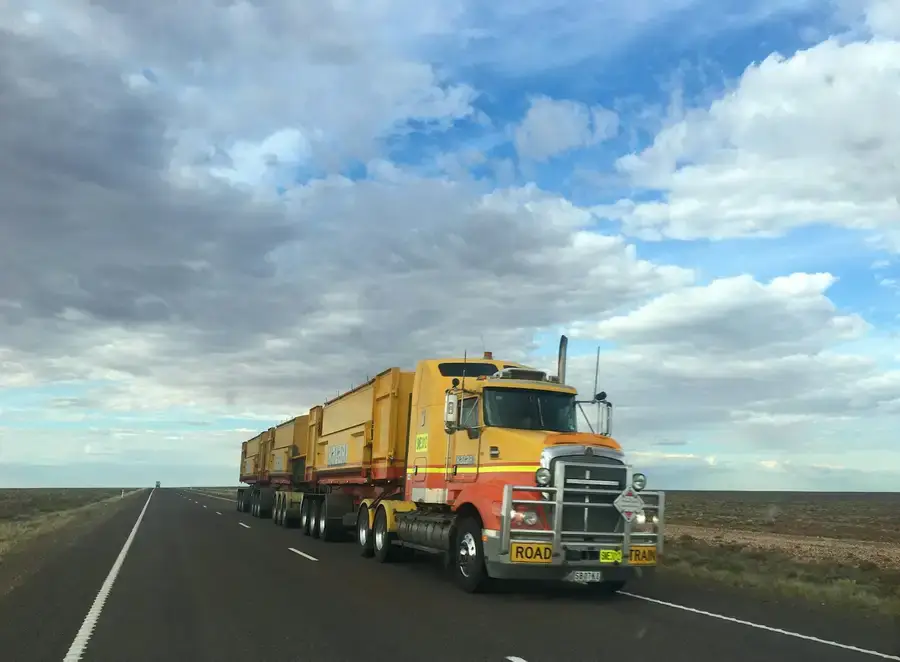
Diesel is usually most of it. These are the sources Emitt prices today and how each reaches it; Scope 3 is reported apart from the Scope 1 and 2 headline.
| Emission source | Scope | How the data reaches Emitt |
|---|---|---|
| Diesel in prime movers, rigids and vans | Scope 1 | Fuel card export (Ampol Card today; BP Plus and Shell Card coming soon), or depot tank deliveries in a spreadsheet |
| Petrol in light vehicles | Scope 1 | Fuel card export or spreadsheet upload |
| LPG in forklifts | Scope 1 | Supplier invoices, uploaded in the template or entered by hand |
| Refrigerant in refrigerated trailers and depot cool rooms | Scope 1 | Service records of the gas added, in kg, uploaded or entered by hand |
| Electricity at depots, warehouses and distribution centres | Scope 2 | Bills from any retailer, in the spreadsheet template or entered by hand |
| Subcontracted carriers and owner-drivers | Scope 3 | A supplier link: each one reports their own figure, no account needed |
| Waste to landfill from depots | Scope 3 | Waste contractor docket reports (CSV) |
What Emitt doesn't calculate for transport. Emissions per tonne-kilometre, per load or per customer: Emitt gives fleet and depot totals from the fuel actually used, and doesn't split them between customers or estimate them from distance. Business travel, flights and spend-based estimates aren't calculated either.
The fuel card export does most of the work. Emitt reads it as it comes, so nobody retypes a transaction.
Upload each depot's Ampol Card export as it comes. Every transaction is kept with its card and vehicle, and non-fuel lines like AdBlue are left out. BP Plus and Shell Card are coming soon.
Set up depots and vehicle groups the way you run them. Totals roll up to the company, and each depot can be reported on its own.
Electricity for depots and distribution centres, priced on the grid it came from: a DC in Perth uses the WA SWIS factor, one in Sydney the NSW factor.
Send each subcontractor or owner-driver a link for the month you need. They report their own emissions for what they hauled for you, and Emitt records the figure as reported.
Multiply the kilolitres of diesel by its factor: 42.3 kL (42,300 litres) × 2,709.72 kg CO₂e per kilolitre in the NGA Factors 2026 = 114,621.16 kg, or 114.62 t CO₂e of Scope 1.
Every transaction on the statement stays attached, so the depot's month traces back to the card lines behind it. Try your own figures in the emissions calculator.
Both, depending on who is counting. Diesel burnt in vehicles you operate is your Scope 1. For the shipper who pays you to move their goods, the same emissions are Scope 3.
Yes, for Ampol Card exports today: upload a depot's export and every fuel transaction is read and kept against that depot, with its card and vehicle. BP Plus and Shell Card are coming soon; until then, those transactions can go in through the spreadsheet template.
No. Emitt calculates your fleet's emissions from the fuel it actually used, by depot and month. It doesn't split them between customers or calculate them per tonne-kilometre.
We're onboarding a small number of Australian businesses in the beta. Bring last year's bills and fuel card exports, and we'll set you up with your own data on the first call.